The seasoned RVer’s playbook: Lessons to make life on the road easier
After more than four decades on the road, Phyllis Goffin has learned that the smallest habits can prevent the biggest headaches
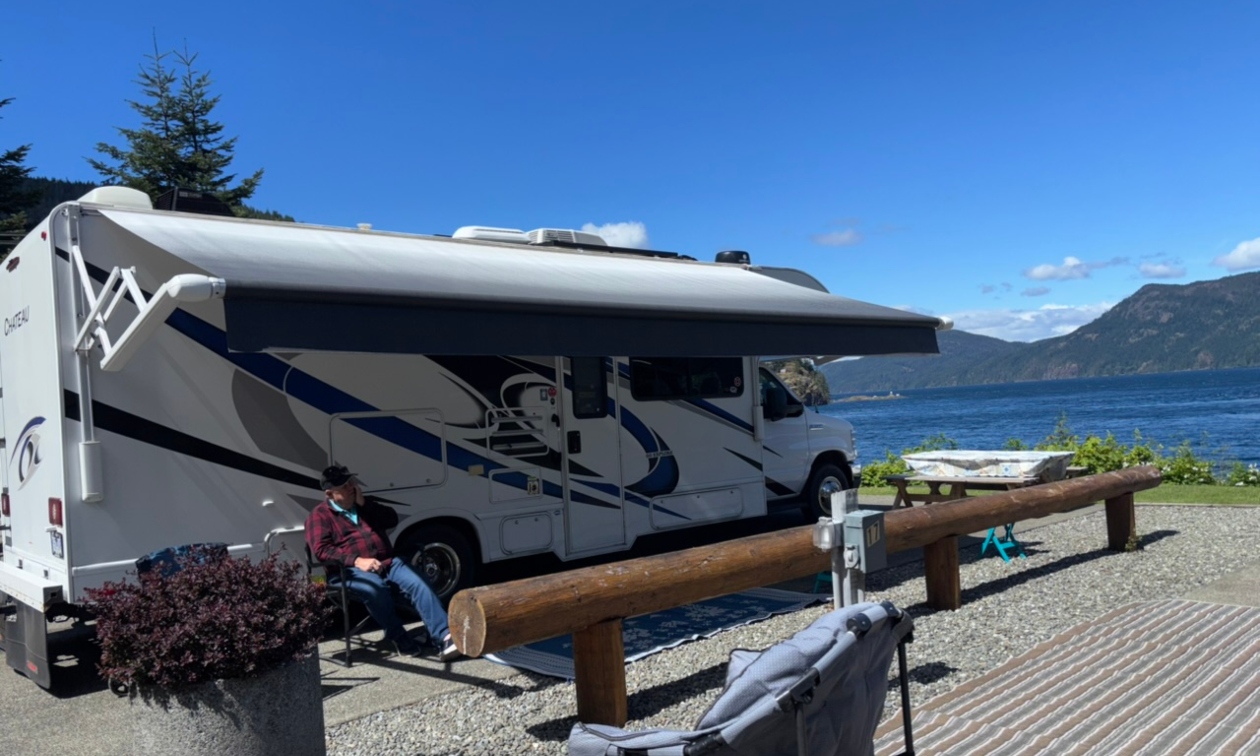


We first caught up with Phyllis Goffin earlier this year, when a stop in Chetwynd turned into much more than a quick break in the journey. After more than 40 years on the road, Goffin knows to leave room for the unexpected, and her Chetwynd adventure was a perfect example.
Now, we’re catching up with Goffin again, this time to tap into the road-tested wisdom she’s picked up over four decades of RVing. From the little pieces of gear she never leaves home without to the mistakes she sees new RVers make, she shares the habits, shortcuts and lessons that can make life on the road easier. And if her first interview taught us anything, it’s that slowing down and leaving room for a little detour can be some of the best parts of RVing.
What are some small things experienced RVers never leave home without?
Being supplied with small things can save you from a very big headache:
Water pressure gauge. If you've ever stayed at an RV park, you've probably noticed seasoned RVers attaching a little gadget between the campground faucet and their water hose. Too much pressure can lead to leaks, burst water lines, or even damage your water heater and faucets.
It takes just a few seconds to screw onto the campground tap, but it can save you hundreds, if not thousands, of dollars in repairs.
Surge protector. One of the smartest things you can plug into your RV. Not every campground has perfect electrical service. Power surges, low voltage, faulty wiring, or even a miswired pedestal can happen, especially in older campgrounds. One unexpected surge can damage expensive electronics in a matter of seconds.
Water filter. May not be the most exciting piece of RV gear, but every time you hook up at a new campground, it's one of the first things to reach for.
A 50-amp to 30-amp adapter (reducer), a 30-amp to 15-amp adapter, and a few different lengths of 15-amp extension cords. Campgrounds don't all have the same electrical hookups. Having the right adapters and extension cords of various lengths means you'll be prepared to plug in, no matter what you find when you arrive.
What's one lesson you wish you'd learned much earlier?
Slow down. Not just on the highway, but in the journey itself. Somewhere along the way, we realized we were driving right past the moments that make this lifestyle so special.
We learned to linger a little longer, and don't be in such a hurry to reach the next dot on the map. After all, the joy of RVing isn't just about reaching the destination, it's about slowing down enough to truly enjoy the journey.
What are the most common mistakes you see new RVers make?
An RV awning and a gusty breeze have a complicated relationship. When leaving the campsite, even for a short walk, or if the weather looks the slightest bit questionable, the awning goes in. A sudden gust can lift the awning like a giant sail, bending support arms, twisting the roller tube, tearing the fabric, or even ripping the entire assembly from the side of your RV. By the time you hear that unmistakable snap, flap, flap, the damage may have already begun. It takes less than a minute to retract, but it could save hundreds or even thousands of dollars in repairs.
Slide-outs are one of the best inventions in the RV world. With the push of a button, your cozy home on wheels suddenly feels twice as spacious. But before you press that button, take a slow walk around your RV. It's amazing what can find its way into the path of a slide.
Don't forget to look up, too. Tree branches can scrape the top of a slide as it moves out, leaving behind scratches or tears that no one wants to discover later. Inside the RV deserves a quick check as well. Make sure cabinet doors are closed, loose items are put away, and nothing is leaning against the slide. It only takes one misplaced shoe or storage bin to stop a slide in its tracks.
What are your top three time-saving tips when setting up or packing up camp?
1. Everything has a home.
This one changed everything for us. Every hose, power cord, adapter, flashlight, and tool has one dedicated place. When it's time to leave, we can pack almost on autopilot because everything goes back where it belongs.
2. Follow the same routine every single time.
Whether we're arriving or leaving, we do things in the same order. Level. Chock. Hook up power. Water. Sewer. Slides. Or, when leaving, we reverse the process. A routine saves time, but more importantly, it prevents those classic RV mistakes, like driving away with the TV antenna up or forgetting to disconnect the power cord. (Don't ask me how I know.)
We never skip the walk-around before pulling out of a campsite. It's become part of our routine. We check the tires, storage doors, steps, awning, hitch, power cord, and anything else that could ruin the day if we forgot it. Don't forget the outside compartment doors are closed and secured.
3. Leveling and chocking (blocking) your RV.
It may not be the most exciting part of setting up camp, but it's one of the most important. It turns out, a level RV also helps your refrigerator work properly, allows the shower to drain, and keeps doors from swinging open on their own.
Checking the level has become part of our arrival routine. One of the best inexpensive upgrades we made was installing leveling bubbles on the outside of our RV. They let us see at a glance if we're level, making setup faster and a whole lot easier.
Once we're level, there's one more step we never skip: chocking (blocking) the wheels. Those little wedges keep the RV from rolling, especially on uneven campsites. They take seconds to put in place, cost very little, and can prevent expensive damage.
What inexpensive item has become indispensable in your RV?
If I had to pick just one inexpensive item that's become indispensable in our RV, it would be Velcro. Not the glamorous answer, I know, but that little roll has earned its place.
We've used it to hold up night drapes, keep remotes from disappearing into the couch cushions, secure small items in cupboards, keep cords neatly bundled, stop things from rattling, and even hold lightweight items exactly where we want them.
How do you stay organized in a small space?
Over the years, we discovered a few simple tricks that make life in our RV so much easier.
I'm a big believer in using vertical space. Command hooks on the walls, basket stackable bins, and over-the-door organizers create storage where none seemed to exist. Suddenly, there's a place for everything.
I keep our groceries in storage containers that slide neatly into the cupboards, that are lined with non-skid lining. Instead of cans and boxes tumbling out every time I open a cabinet, everything stays together and is easy to grab. It also makes taking inventory before a grocery run much simpler.
One of my favourite little additions is a tension shower rod stretched across the back of the shower. It's the perfect place to hang damp towels and swimsuits.
And if you've ever opened your RV fridge after a day on winding roads, you'll understand why I never travel without fridge and freezer bars. They keep food from performing gymnastics every time we hit a curve.
What maintenance habits have helped you avoid costly repairs?
We make it a habit to check tire pressure at the beginning of every trip, including the spare. Check engine oil regularly.
Never ignore the roof. A quick check a few times a year around the vents, skylights, and antennas can catch small problems before they turn into one of an RVer's biggest nightmares: water damage.
Every fall, we take the time to properly winterize the RV before storing it. Draining the water lines, protecting the plumbing with antifreeze, and preparing it for freezing temperatures is far less expensive than repairing burst pipes in the spring.
Another habit is having our RV inspected and serviced annually by certified Red Seal technicians. We consider it an investment in both our safety and our peace of mind.
How has your approach to trip planning changed over the years?
The biggest lesson we've learned over the years is to stay flexible. No matter how carefully we plan, the road has a way of changing those plans. Weather rolls in, roads close, campgrounds fill up, or we stumble across a place so charming we decide to stay another day. Some of our best memories happened because we were willing to change course. In RVing, the detours often become the destination.
What do experienced RVers know about campground etiquette that newcomers sometimes miss?
Put It Out Like You Mean It.
A campfire creates wonderful memories, but it only takes one forgotten ember to cause a disaster. One thing we've learned over the years is that a campfire isn't truly finished until it's completely DEAD out.
Leave your campsite cleaner than you found it.
Pick up every scrap of garbage, even if it isn't yours. The next camper and the campground staff will appreciate it.
Respect your neighbour's campsite.
Your campsite is your home away from home, and so is theirs. Resist the temptation to cut across someone else's site just to save a few steps.
Keep the noise down.
Not everyone shares your taste in music or wants to hear your television. Sound travels surprisingly far outdoors, especially around the evening campfire.
Watch your speed.
Campgrounds are full of children on bikes, people walking dogs, and fellow campers out for a stroll. Slow down. You're on vacation.
Keep pets under control.
Not everyone loves your dog as much as you do. Keep pets leashed, clean up after them immediately, and don't leave them barking inside the RV while you're away exploring.
Respect quiet hours.
Most campgrounds post quiet hours, but experienced RVers know they're more than just a rule. They're a promise that everyone gets to enjoy the peaceful sounds of nature.
Take nothing but pictures, leave nothing but footprints.
What's the best piece of advice another RVer ever gave you?
When we first started RVing, we thought campgrounds were the only way to travel. We booked sites months in advance, lined up our hookups, and followed our itinerary from one campground to the next.
Then another RVer smiled and said, “Don't be afraid to camp without full hookups. You really should try bush camping.” No power. No water. No sewer. Just us and whatever nature had to offer. It sounded a little intimidating.
But that first night changed everything. We parked beside a quiet lake, surrounded by towering trees, with no neighbours just a few feet away. There were no streetlights, no campground chatter, and no rush to be anywhere.
Sometimes the best campsite doesn't have a reservation number. It simply has a million-dollar view.
What's one RV “rule” you no longer follow, and why?
When we first started RVing, we thought the RV rule was to keep moving to make the most of our travels. There was always a temptation to squeeze in one more attraction or drive a few more miles. We eventually realized we were following a schedule that left us exhausted, sometimes missing the very reason we hit the road in the first place. Now, we give ourselves permission to slow down and savour the journey. Sometimes the best days are the simple ones.
If someone were buying their first RV today, what advice would you give them?
Buy the RV that fits the way you travel, not the one that looks the prettiest on the dealer's lot.
It's easy to fall in love with gleaming countertops, theatre seating, and enough storage to carry a year's worth of groceries. But ask yourself how you'll actually use it.
Before signing the papers:
- Sit on the toilet with the door closed. Seriously.
- Pretend to make lunch. Is there enough counter space?
- Stand in the shower.
- Lie on the bed.
- Open every cabinet.
- Imagine a rainy day when you're both inside for eight hours.
Those little things become very big after a few weeks on the road.
Looking back on all your years of RVing, what habit has made the biggest difference to enjoying the journey?
The adventure begins long before you turn the key.
Research, research, research ... then make a plan. That's half the fun! A good travel book is still one of our best travel companions. It helps turn an ordinary drive into an unforgettable adventure. A little digging before you leave can turn an ordinary drive into one of the most memorable parts of the journey.
Tips
- One of our simplest and most inexpensive RV tricks is using a sliced pool noodle to protect the sharp corners of our slide edges. Those corners seem to be perfectly placed to find your shoulder, head, or arm when you're walking around the campsite.
- Before a trip, make batches of pasta sauce, stew, chili, or other hearty meals, then measure them into bags, flatten them, and freeze them between pieces of cardboard. Once frozen, they stack neatly in the RV freezer like little meal bricks.
- One lesson you only need to learn once: always put the sewer cap back on when you've finished draining. It's a simple step that's surprisingly easy to forget, and trust me, you'll be glad you remembered before heading down the road.
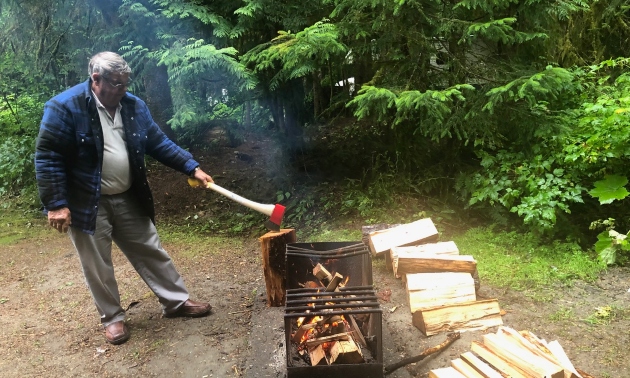
- An axe and a good hand saw are worth their weight in gold when you're bush camping or gathering firewood.
- An outdoor mat keeps the dirt where it belongs, outside instead of all over the RV floor.
- A can of WD-40 has rescued more than one squeaky hinge, stubborn lock, and sticky latch over the years.
- A little preparation before travel in winter conditions can make all the difference between a winter adventure and a stressful situation. Simply carry chains. It’s also important to know how to install them before you actually need them, because nobody wants their first lesson happening on the side of a snowy highway.
- Don't stress if you forget something. It happens to every RVer sooner or later. Most of the time you can beg, borrow, or buy whatever you left behind. We've forgotten a few things over the years, and somehow, we've always managed. It's all part of the adventure, and it usually makes for a good story later.
Final thought: keep the shiny side up, and the rubber on the road. Safe travels!