
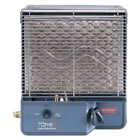
Many RV owners are unaware there is another heat source available for an RV other than the widely-used 12-volt forced-air LPG furnace. Radiant heaters are very efficient, quiet and portable. They heat the occupants, floors, walls and objects without heating the air first. You feel warm within a short period of time.
These units do consume oxygen and have caused some controversy and concern when used indoors. Like most propane appliances, they have safety features; however, there is no room for error or carelessness with regard to operating these heaters.
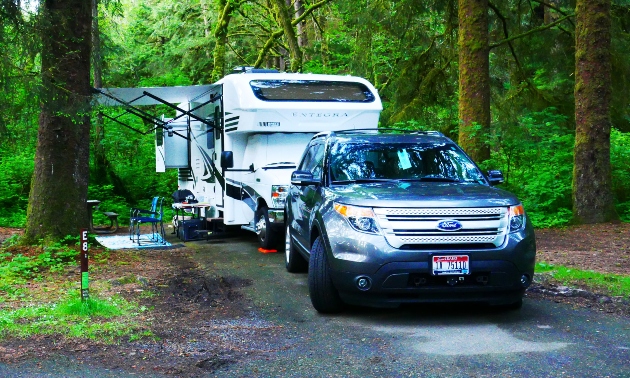
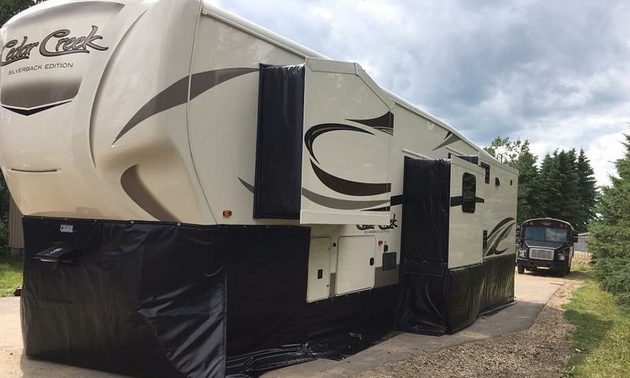
There are two types of radiant heaters available: ceramic tile or catalyst mesh pad. Both can be used in most types of enclosures, but you must check your local regulations and codes for permitted uses specific to RVs. In British Columbia, for instance, the B.C. gas safety branch only allows the catalytic heater to be installed in canvas-walled RVs or pop-up tent trailers, because they’re not considered airtight. However, some heater manufacturers will state that when fabric gets wet it can become impervious to the movement of air and occupants still need to provide adequate air exchange for ventilation.
Any fuel-burning, ventless appliance needs adequate air ventilation to replenish oxygen and remove products of combustion, which in rare cases could be carbon monoxide.
Standards dictate one square inch of fresh air opening for every thousand BTUs of propane used by radiant heaters. Replacement air is provided best by two vents: one low on the outside wall and one high on another outside wall.
Some of the built-in safety features of these units include accidental tip-over shut-off switches, automatic safety valves and low oxygen safety switches or oxygen depletion sensors that will shut the heater down if the oxygen level falls below 17.9 per cent. Normal air at sea level contains about 20.9 per cent oxygen.
The catalytic heater will require some installation procedures with LPG fittings to enter into the low pressure propane distribution system, and this should be performed by a certified LP gas service technician familiar with non-vented gas space heaters that meet local codes and regulations.
There are only a few moving parts to the radiant heater: a metal grill, a mesh lined with platinum or a ceramic tile and a control valve to start the unit and adjust the heat settings.
Some care and maintenance tasks should be performed to ensure a properly operating unit. While the heater is off, it can be cleaned and dusted with a damp cloth. Don’t use a vacuum cleaner or compressed air to clean the catalytic heater, as the silica wool element could be damaged.
It is advisable to purchase a carbon monoxide detector to further enhance your safety when using one of these heaters. The U.S. Consumer Safety Commission states “the heater’s consumption of oxygen could potentially cause hypoxia or suffocation by lack of oxygen in an airtight space.”