
Do you have questions about RV snowbirding? Send them to Snowbirding 101: RV West.
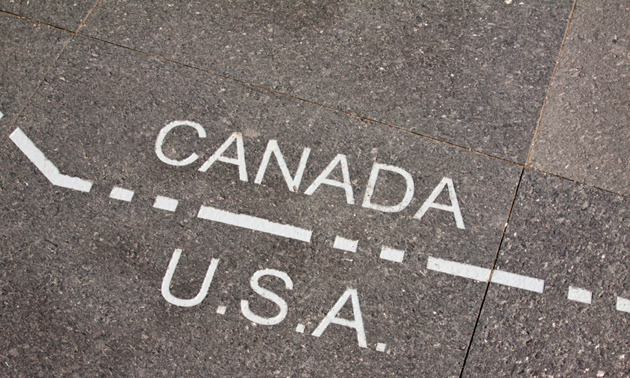
Question: We have been out of the country (in the U.S.A.) for almost three months and are getting ready to return home to Canada. What do we need to declare? What can or can’t we bring back into Canada?
Answer: Most purchases you make as a snowbird (household or personal) can be brought back into Canada. The questions become: What the exemptions are there? What will you need to pay duty on? What are the restrictions? How much duty do you need to pay?
Generally speaking, you need to declare everything you purchase or acquire outside the country and bring back into Canada. Having said that, I know there are purchases we make over our five to six month stay that we can’t even use in Canada. One example is the throw-away cell phone. It only works in the U.S. We purchase it when we leave Canada and dispose of it when we can no longer use it.
Border Services also require you to declare repairs to your vehicle. One year, we needed to replace our generator. We declared it and were not charged duty because it was a replacement item.
There are exemptions for goods coming into Canada. If you are out of the country 48 hours, your exemption is CAN$400 for each person. For any out-of-country trips over seven days, the exemption is CAN$750 per person.
Now, those are the exemptions – that does not mean that you cannot bring more back, it just means you need to pay duty. Sometimes it’s worth it and sometimes it isn’t and sometimes there are restrictions or regulations that limit importation no matter what.
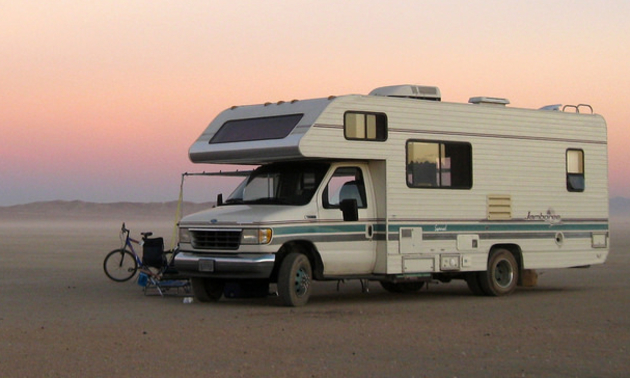
One fellow snowbird wanted to purchase and bring back an RV. It turned out that the vehicle did not have the required paperwork (the company had gone out-of-business) to prove compliance with Canadian standards. Contact the Registrar of Imported Vehicles at 888-848-8240 for more information.
Usually it is fairly simple to cross the border. After sitting in the lineup for whatever waiting time it may be (wait times are listed on the Canadian Border Services website), the Border Services officer will ask you how long you have been across the border, what you have to declare, if you have any alcohol, tobacco or firearms, etc. But you never know when it will be your turn for the dreaded inspection.
Border Services officers do have significant power. They can impose 25 to 80 per cent of the value of seized goods or even seize vehicles that were used to import goods unlawfully, so it is in your best interest to co-operate with the officers. By the way, they like to see your eyes, so if you are wearing sunglasses it is a good idea to take them off.
Keeping receipts
Everyone has his or her own system for keeping track of purchases that will be going back into Canada. We put the receipts for any purchase likely to come back with us in a large envelope. On our way home, we pull out all the receipts and sort them into “with us” and “already used.” Then we make two lists (his and hers), total each list and then calculate a grand total. Most of the time they have just asked for the total, but I want to be prepared. I copy the lists onto the outside of the envelope and put all the relevant receipts inside. All ready.
Drive safely.
Update
Lynne Benjamin makes the following note:
The latest federal budget announced that as of June 1, 2012, travellers coming back after 24 hours away will be able to bring in $200 worth of goods free of duty or taxes, an increase from $50. People gone more than 48 hours will be allowed $800 in duty-free goods, double the present $400 allowance. There is no longer any specified seven-day limit on duty-free purchases.