
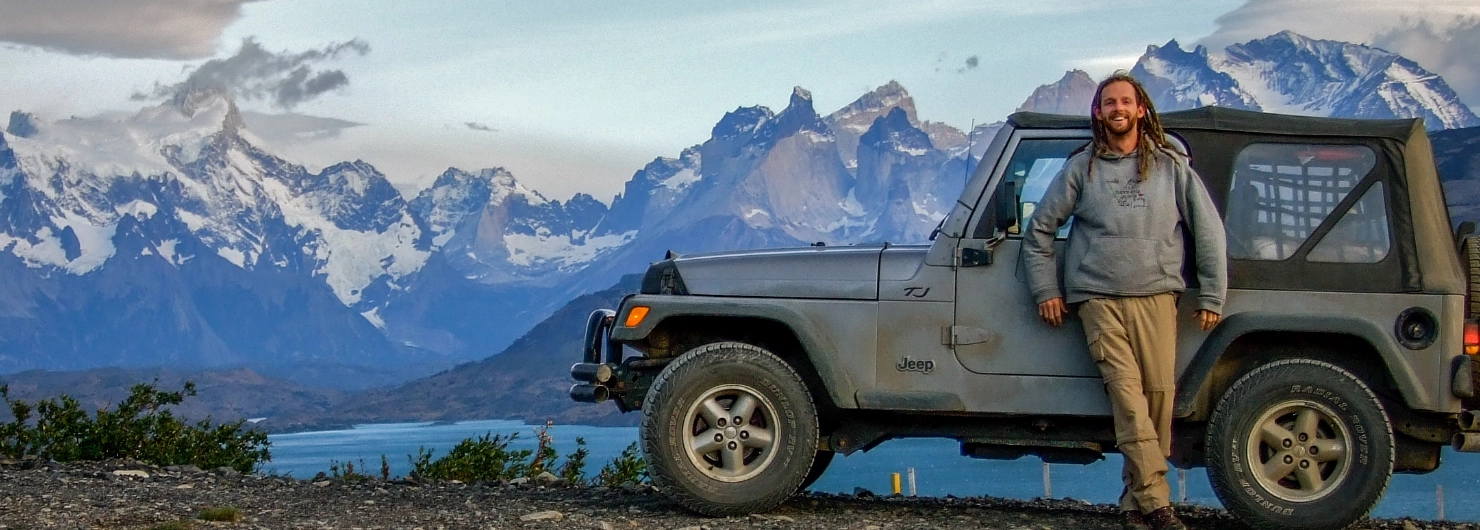
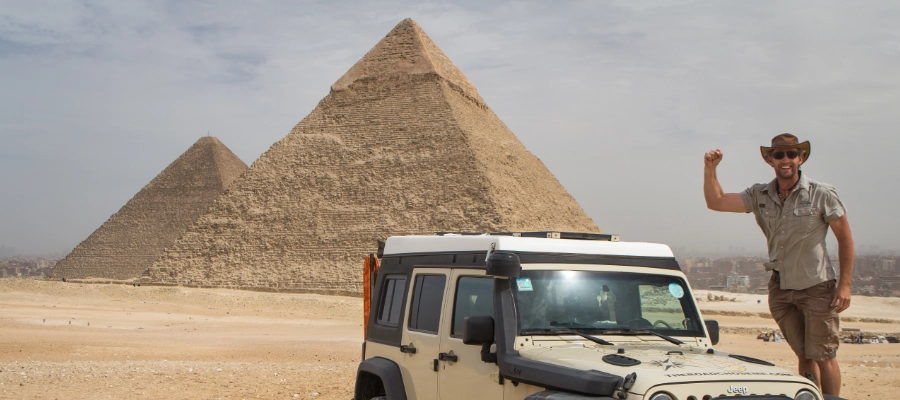
For Dan Grec, the road less travelled began with a decision to change his life. Originally from Australia, Grec was working as an engineer when he realized he didn’t want to spend the next several decades behind a desk. Instead, he quit his job, climbed behind the wheel of a Jeep and set off on an expedition from the northern tip of Alaska to the southern tip of Argentina. That journey sparked a lifelong passion for exploration and eventually became The Road Chose Me, a project dedicated to sharing his experiences and helping others discover the world on their own terms.
Since then, Grec has travelled through some of the world’s most remote regions, from the jungles of West Africa to the rugged tracks of the Democratic Republic of Congo. Along the way, he’s encountered formidable driving conditions, unexpected setbacks and extraordinary kindness from people he’d never met before. Today, adventure looks a little different as he shares the road with his partner and young daughter, but his philosophy remains the same: you don’t need a perfect vehicle or an elaborate plan to get started. In this interview, Grec reflects on the lessons learned along the way, his favourite destinations and why the best adventures often begin by simply hitting the road.
Could you tell us a little about yourself, where you're originally from, and what first inspired The Road Chose Me?
My name is Dan, and I grew up in Australia before coming to Canada about 20 years ago. I was working a desk job as an Engineer and I realized if I didn't change something, I would spend the rest of my life sitting at that desk.
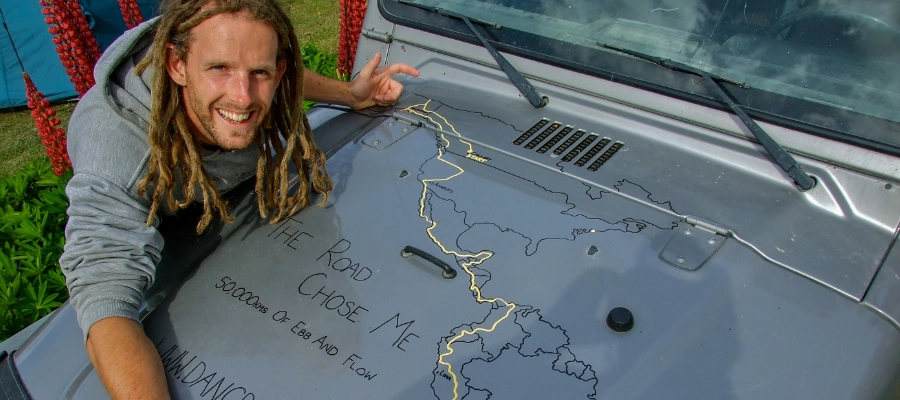
I knew it wouldn't be a bad life, but it wouldn't be very exciting either. I desperately wanted to get out and have big adventures, so I quit my job and I wound up driving all the way from the northern tip of Alaska to the southern tip of Argentina in South America.
That sparked an entirely new life of adventure for me, and I've been driving my four-wheel-drive vehicles around the world ever since. Now I'm really passionate about helping others get out there, so I focus heavily on education and showing people how to get out there and do it.
What was the moment you realized overlanding was going to become your lifestyle and career?
I distinctly remember bumping along a gravel road in Guatemala with a friend and I said, either I'm going to be sick of this by the time I'm finished and I'll never do this kind of thing again or I'm going to become hopelessly addicted. After many months in South America camping out wild and hiking in the Andes, eating street food and watching kids ride llamas to school I knew I was hopelessly addicted and that I was going to do this for the rest of my life.
Looking back, what did your first major expedition teach you that no amount of planning ever could?
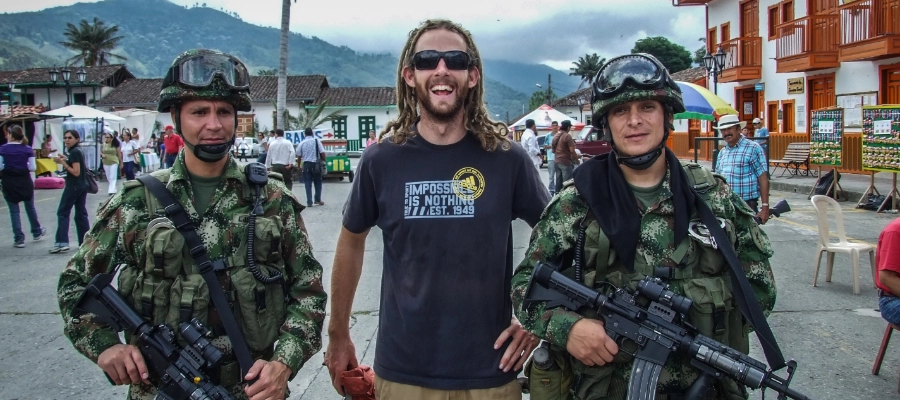
I didn't have a GPS or a phone, so the first expedition really taught me that it's about adventure and it's about going into the unknown and just taking whatever comes your way. Sometimes I'd spend an entire day driving down a road to find a bridge was washed out and I had to turn around and come all the way back. But that was fine, that was part of the adventure. The whole point was to go and find out, not look it up online and already know what I was going to see and do before I ever went.
So for me, embracing the adventure and the unknown is what it's all about.
You've driven through dozens of countries. Is there one destination that completely exceeded your expectations?
Gabon in West Africa is a magical country. It has the exact right blend of wild places, friendly people and really, really remote places to explore. It's right on the Equator so it's full of jungle where I saw wild gorillas swinging through the trees, forest elephants and a whole bunch of really happy and friendly people. We don't hear much from that part of the world and it is absolutely beautiful.
Which place challenged you the most, either physically or mentally?
Driving through the Democratic Republic of Congo was like nothing I've ever done before or since. For the first few days I didn't even see any other vehicles, there was no electricity and there wasn't even any trash on the ground because there was nothing for sale. It felt like I'd gone back in time 100 years. It was extremely hot and humid, making it difficult to sleep at night. The whole crossing felt very committing because I didn't have a double-entry visa for the previous country, so I couldn't turn around and go back even when the tracks were so severe my Jeep in low-range four-wheel drive could barely make it through. The DRC is one of the least functional and most dangerous countries on earth, and I don't know if it's possible to have a more remote or more committing adventure.
How has your definition of adventure changed over the years?
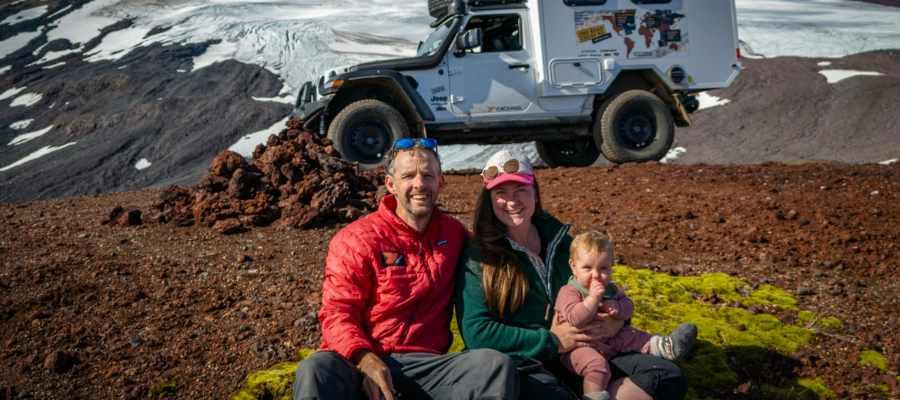
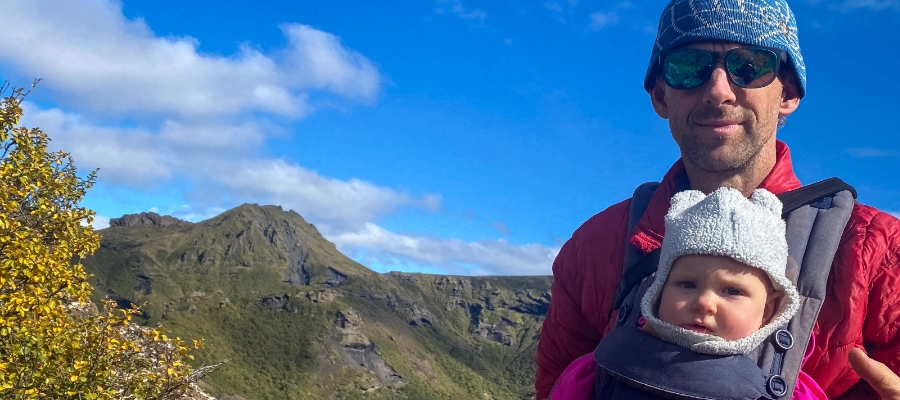
Back when I was young and carefree, I used to think going to the most remote places I could get to and just being there by myself was an adventure. These days I have a partner and I have a two-and-a-half-year-old girl and so now adventure has changed to being what everyone enjoys. Now we spend a lot more time at street markets eating delicious foods, we go to museums and we hang out with locals. I still love getting out remote, but now with the family we make sure we all have fun.
Many RVers dream of international overland travel but aren't sure where to begin. What's the first step you recommend?
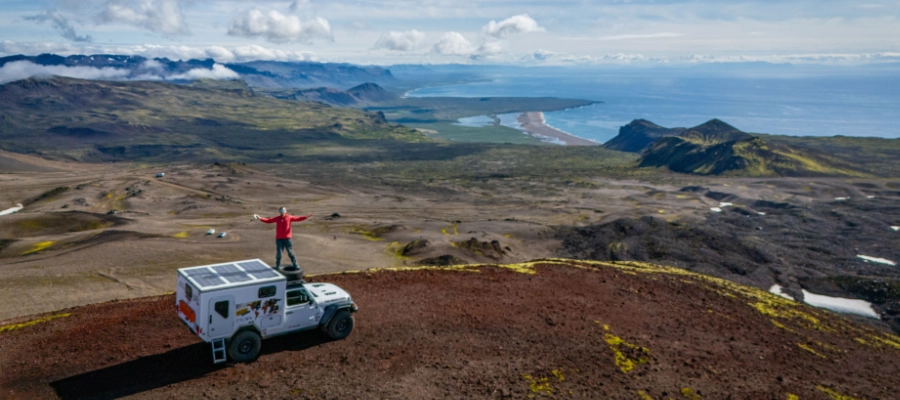
Alaska is one of the most beautiful places I've ever been in my life and I think that every North American should make an effort to visit Alaska and the Yukon. It's the perfect first international trip because it means that people from the lower 48 get to drive through Canada and experience a border crossing, using different money and street signs that are in kilometres instead of miles. This means they're leaving behind the familiarity of their own country, but it's very safe, friendly and beautiful.
After that Baja in Mexico is a wonderful place to spend the winter with hundreds or even thousands of people doing it every year now and loving it. For me personally there's nothing better than delicious tacos on the beach.
What misconceptions do people have about overlanding compared to traditional RV travel?
Overlanding has become a label that people always argue about what the definition is and are you an overlander or are you not an overlander. I don't think any of that's really useful because at the end of the day we all just want to do what we enjoy.
If you want to drive to a beautiful river somewhere and go fly fishing, you should do that. If you want to sit in the shade and read a book, that's great too. Or maybe you want to climb mountains, maybe you want to go kayaking, maybe you want to take photos of wildlife. All of these things are incredible and that's exactly what you should be doing.
It doesn't matter if you call yourself an pverlander or an RVer or if you're going car camping. What's important is that you enjoy the trip that you want to take.
What qualities make a vehicle truly expedition-ready, regardless of its size or price tag?
The most important feature by far is reliability. It doesn't matter how many creature comforts your vehicle has or how fancy it looks. If it doesn't take you where you want to go and back again without lots of trouble, then it's probably not a very good vehicle.
Beyond that I'd say a really good set of tires and a good sense of adventure and you're ready to go.
What has been your most memorable mechanical breakdown, and how did you get through it?
I rolled my Jeep on its side in remote Uganda. I was utterly devastated and I thought my expedition had come to an end. But as always happens in Africa, locals came out of the bushes and they helped me. I winched the Jeep to a tree while they pushed on the back corner and it came back up onto its wheels. With a whole bunch of duct tape and some guys on the side of the road who welded the rear-view mirror back on I've been driving it ever since.
You've met people in some very remote places. Is there a particular encounter that still stays with you today?
On dozens of occasions around remote Africa I would arrive in a village right around sunset. I always felt a little bit scared at those times, not knowing if I'd done the right thing and not knowing if I was safe. Every single time people invited me in like I was a member of their family. They would offer me food, drinking water and even try to make me sleep in their huts. I was immediately part of their community and part of their family. These people didn't do it because they wanted money or they wanted anything like that, they simply did it because they're kind and generous people.
I'll never forget that as long as I live.
What's one lesson about travel that you wish more people understood?
The world is far safer and far more friendly than Hollywood has led us to believe. I genuinely think the media and Hollywood have done us a great disservice by showing that it's really dangerous or that there's 'bad' guys out there who are ready to 'get us' around every turn. It's not like that at all. In fact I've met some of the friendliest and kindest people in what are commonly regarded as the most dangerous countries in the world like Sudan, the Congo and Honduras.
Canada offers incredible opportunities for adventure travel. Do you have any favourite Canadian routes or hidden gems?
The Icefields Parkway from Banff to Jasper might just be the most beautiful road in the entire world and well worth a visit. For those seeking more remote adventure, the Dempster Highway that runs north in the Yukon all the way to the Arctic Ocean is an incredible experience. Any vehicle with quality tires can make that drive, even an RV even a Class A motorhome. Go slow, take your time and enjoy literally driving to the edge of the Earth. It is utterly breathtaking.
Are there any upcoming expeditions or projects you're excited about?
We have many different plans for new adventures in the works, though unfortunately the wars around the world are making it difficult.
So at the moment we're saving money and planning and dreaming. I will soon start work on a new vehicle that will take to a new part of the world.
Is there anything else you'd like to share with RVwest readers who dream of taking the road less travelled?
I've always found taking the first step is actually the hardest, and I know for a lot of people at home it can feel really overwhelming or daunting to think about starting on a massive adventure and all that that entails.
My advice is to not worry about the big picture and not become overly concerned with everything that might happen. Just hit the road and start having adventures. You can start out small with weekends, and then long weekends and then maybe a week here or there. Get used to your vehicle, how you like to travel and what you like to do. Do the things that you love doing and let the adventure happen.
Who knows, you might wind up driving all the way to the Arctic Ocean!
Keep up with Dan Grec's adventures by visiting The Road Chose Me on YouTube and following @theroadchoseme on Instagram.